
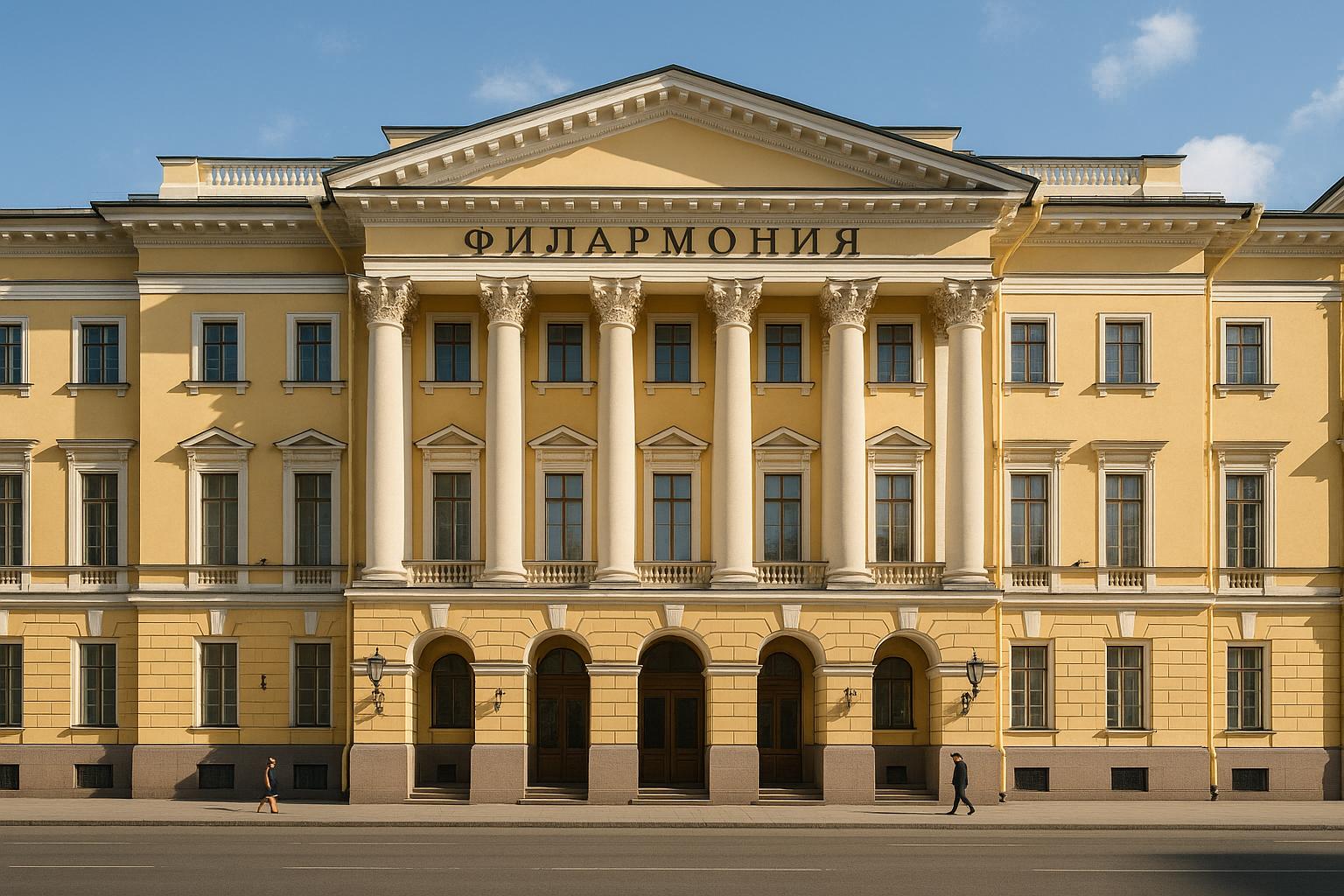
Introduction to the Saint Petersburg Philharmonia
The Saint Petersburg Philharmonia, often referred to as the St. Petersburg Philharmonic Orchestra, stands as a revered pillar in the realm of classical music both within Russia and on the international stage. As one of Russia’s preeminent and historically significant musical institutions, the orchestra has contributed immensely to the cultural and artistic tapestry of the nation. Situated in the culturally rich city of Saint Petersburg, it is acclaimed for delivering exceptional performances and significantly influencing the global music community.
History and Establishment
The origins of the Saint Petersburg Philharmonia trace back to the early 19th century. Specifically, it was established in 1802 as part of the St. Petersburg Assembly of the Nobility. Originally designed to provide a musical accompaniment to the social gatherings of the time, it evolved over the decades both in its structure and its prestige, ultimately becoming one of the premier professional symphony orchestras within Russia. The Philharmonia’s illustrious journey from its inception to its current status underscores its profound impact on the musical landscape.
Key Milestones
Throughout its storied history, the Philharmonia has encountered several pivotal moments and personalities that have shaped its direction and fortunes. An era of particular prominence was ushered in under the baton of Evgeny Mravinsky, who served as the principal conductor from 1938 until 1988. Mravinsky’s leadership is fondly remembered as a golden period for the orchestra, characterized by artistic excellence and widespread acclaim. Under his direction, the orchestra cemented its reputation as a formidable force in classical music.
Additionally, the Saint Petersburg Philharmonia has had the privilege of collaborating with some of the most celebrated composers in classical music history, including Pyotr Ilyich Tchaikovsky, Sergei Rachmaninoff, and Dmitri Shostakovich. These collaborations have been instrumental in not only enhancing the orchestra’s prestige but also in contributing significantly to the body of classical music repertoire. These partnerships stand as a testament to the orchestra’s commitment to artistic collaboration and its role in shaping the course of classical music history.
Repertoire and Performances
Renowned for its extensive and diverse repertoire, the Saint Petersburg Philharmonia deftly performs works from a vast array of composers spanning different musical traditions and eras. Particular emphasis is rightly placed on the works of Russian composers, with performances of Tchaikovsky and Shostakovich being especially notable highlights. Yet, the Philharmonia’s artistry is not confined solely to Russian compositions. The orchestra’s performances encompass a broad spectrum of genres, periods, and styles, reflecting its versatile and skilled musicianship.
The primary venue for the Philharmonia’s performances is the Grand Hall of the Philharmonic, an iconic and historic concert hall famed for its exquisite acoustics and architectural grandeur. With a capacity to seat over 1,500 attendees, it provides a sublime backdrop for experiencing the orchestra’s artistry. Additionally, the Philharmonia often embarks on international tours, taking its celebrated performances to audiences across the globe. These tours not only affirm its standing in the international music community but also enrich the cultural experience of diverse audiences worldwide, offering a tangible connection to Russian musical traditions.
Educational Contributions and Outreach
A key component of the Saint Petersburg Philharmonia’s mission is its commitment to education and community outreach. This commitment is reflected in a range of initiatives aimed at nurturing musical talent and promoting a deeper understanding and appreciation of classical music. Educational programs include workshops, masterclasses, and lectures, designed to engage both aspiring musicians and broader audiences. Through these initiatives, the Philharmonia not only imparts technical expertise but also fosters a communal appreciation for the richness of classical music traditions.
This dedication to educational outreach is central to the Philharmonia’s enduring mission of cultivating future generations of musicians and music lovers, ensuring that the legacy of classical music continues to thrive and evolve. By nurturing talent and inspiring enthusiasm for the arts, the Philharmonia plays a crucial role in sustaining the cultural heritage of Russia and sharing it with the world.
For those seeking further information or eager to learn about upcoming performances, exploring the official website of the Saint Petersburg Philharmonia can provide valuable insights: Saint Petersburg Philharmonia.
In conclusion, the Saint Petersburg Philharmonia exemplifies a rich tradition of musical excellence and cultural contribution. With its historical roots, remarkable milestones, expansive repertoire, and commitment to education, it continues to inspire and delight a diverse array of audiences. Its enduring legacy is one of artistic triumph and cultural significance, affirming its position as a beacon of musical brilliance both in Russia and beyond.