
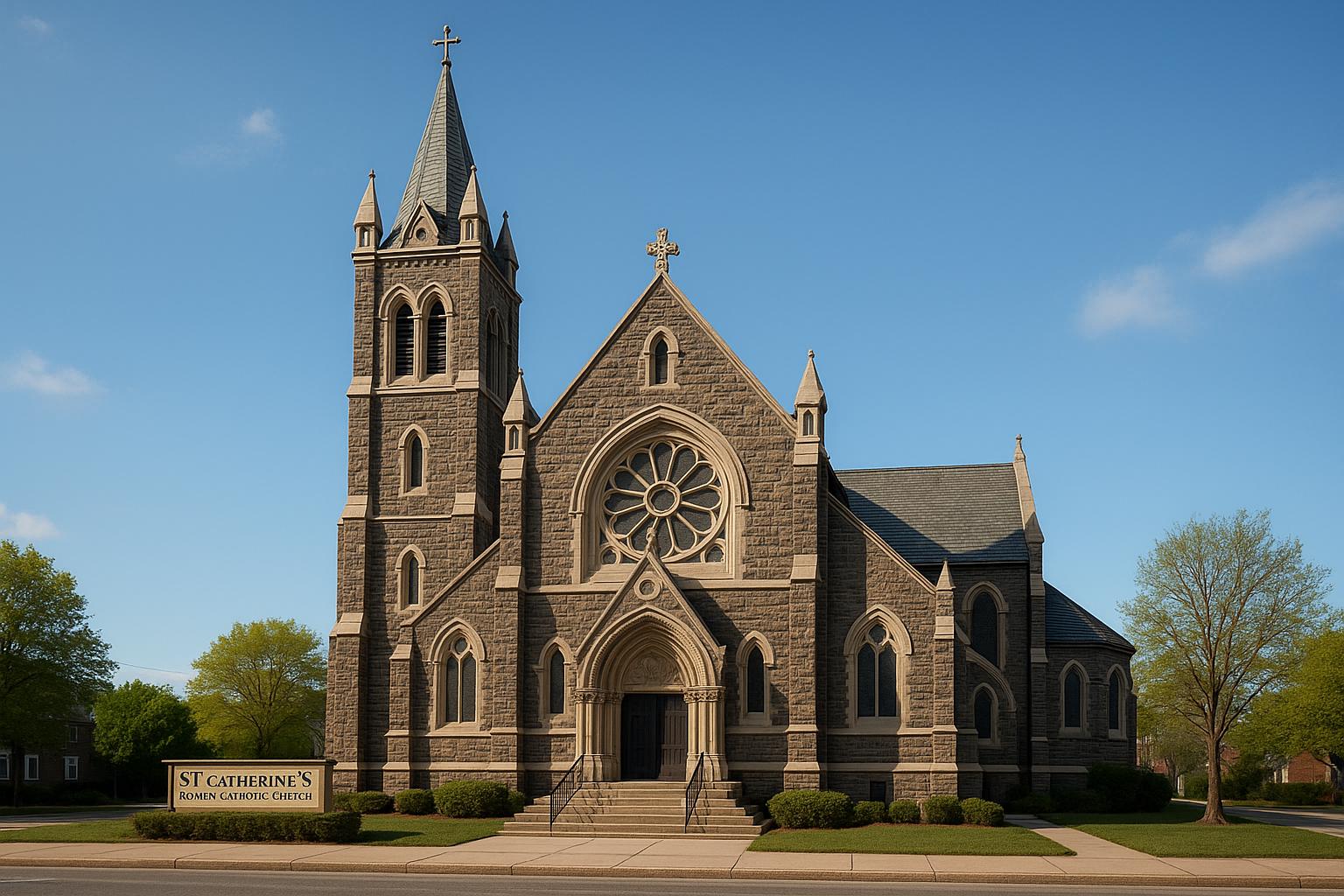
Overview of St. Catherine’s Roman Catholic Church
St. Catherine’s Roman Catholic Church is a prominent place of worship known for its rich history and distinctive architectural features. Churches dedicated to St. Catherine are found in various parts of the world and are often considered important cultural and religious landmarks within their respective communities. This article provides a detailed exploration of their historical significance, architectural characteristics, community role, and visitor experience.
Historical Significance
Many St. Catherine’s churches around the world have roots that stretch back several centuries, underscoring the deep-seated history of Catholicism in these regions. The churches are frequently named in honor of either St. Catherine of Alexandria or St. Catherine of Siena, both of whom are esteemed as significant saints within the Roman Catholic tradition. Over the years, these churches have evolved to become more than just places of worship; they have also served as centers for community gatherings and social activities.
St. Catherine of Alexandria
St. Catherine of Alexandria is a revered figure, known for her wisdom and martyrdom. Her story inspires many believers and her legacy is preserved in churches named after her. These churches become a testimony to her faith and influence, celebrating her feast day with various activities and rituals that highlight her role as a patron saint of philosophers and theologians.
St. Catherine of Siena
Similarly, St. Catherine of Siena holds an esteemed place in the Catholic Church. Known for her theological prowess and devotion, she played a crucial role during the time of the Avignon Papacy. Churches named in her honor reflect her spiritual contributions and often hold special services or events on her feast day to commemorate her life.
Architectural Features
St. Catherine’s churches typically display a range of architectural styles that vary based on the region and the period in which they were constructed. Common architectural styles include Gothic, Baroque, and Romanesque. These structures are renowned for their complex stained glass windows, soaring vaulted ceilings, and elaborate altars, embodying the spiritual and aesthetic aspirations of their builders.
Gothic Architecture
In areas where Gothic architecture is predominant, churches dedicated to St. Catherine frequently feature pointed arches, ribbed vaults, and flying buttresses. These elements not only enhance the buildings’ structural integrity but also contribute to their visual magnificence, creating an atmosphere intended to inspire awe among worshippers and visitors.
Baroque Elements
Baroque-style St. Catherine’s churches are characterized by their grandeur and opulence. These buildings often display meticulously detailed frescoes, lavish decor, and a dynamic sense of movement and energy. Such features reflect the Baroque period’s focus on dramatic expression and the church’s role as a conduit for divine beauty.
Romanesque Features
In contrast, Romanesque churches dedicated to St. Catherine often exhibit solid and robust construction, employing rounded arches and massive stone walls. The simplicity and strength of Romanesque architecture convey a sense of stability and timelessness, appealing to those who find spirituality in the unadorned and monumental.
Community Role
St. Catherine’s Roman Catholic Church often plays an essential role within the local community. Beyond hosting regular religious services, these churches are frequently the site of significant life events, such as weddings, baptisms, and funerals. This makes them integral to the lives of parishioners, who often turn to the church for spiritual guidance during pivotal moments.
Educational Programs
Many St. Catherine’s churches offer educational programs aimed at deepening the understanding of Catholic teachings and encouraging faith development. These programs may include catechism classes for children, Bible study groups for adults, and lectures or workshops on theological topics.
Social Outreach
In addition to spiritual functions, St. Catherine’s churches are often involved in social outreach, providing support to the underprivileged and marginalized members of society. This can include organizing food drives, offering shelter and clothing, and assisting with employment or healthcare needs, thereby strengthening the communal bonds among parishioners.
Charitable Activities
Charity is a cornerstone of the activities organized by St. Catherine’s churches, emphasizing compassion and service to others. Fundraisers, volunteer opportunities, and collaborations with local non-profits are common ways these churches engage with and support their wider community.
Visiting St. Catherine’s
Visiting a St. Catherine’s church can offer a unique glimpse into local culture and religious practices. Visitors are generally welcome to explore the architectural beauty and participate in religious services, although it is advisable to check local guidelines or service times ahead of a visit.
Exploration and Participation
During their visit, individuals can appreciate the intricate details of the church’s design, from the stained glass windows to the ornate altars. Attending mass or other religious ceremonies also allows visitors to experience the spiritual ambiance and community spirit firsthand.
Guided Tours and Cultural Insights
Many churches offer guided tours that provide historical context and architectural insights, enriching the visitor experience. These tours can offer narratives about the saints, the significance of religious symbols, and the church’s role in the broader community.
Resources for Learning More
For those interested in further exploration or planning a visit, additional details about St. Catherine’s Roman Catholic Church, including visitor information and upcoming events, may be available on their official website. This online resource can provide comprehensive information to enhance the visitor experience and facilitate deeper engagement with the church’s community.