
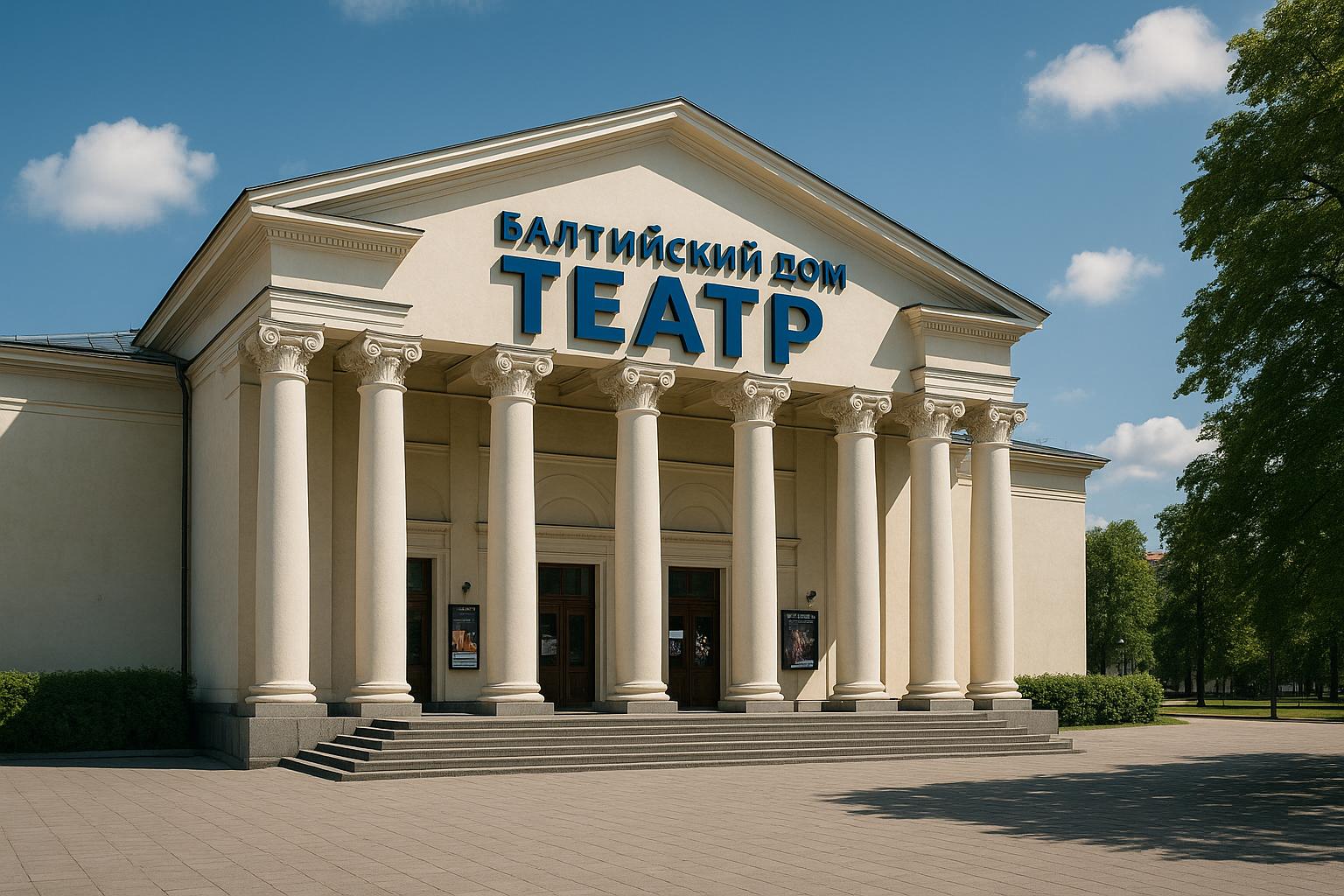
Overview of the Baltic House Theatre
The Baltic House Theatre, situated in Saint Petersburg, Russia, is a distinguished cultural institution revered for its significant contribution to the performing arts. Since its inception in 1936, this theatre has fostered a rich heritage of showcasing revered performances and hosting international theatre festivals, making it a hub of artistic innovation and cultural dialogue.
Historical Background
The inception of the theatre was marked by its foundation as the Leningrad State Theatre for Young Audiences. Over the years, it has undergone substantial evolution, embodying the spirit of cultural exchange and pursuing artistic brilliance. The transformation of its identity into the Baltic House Theatre in 1991 symbolized a new era of development, coinciding with the dissolution of the Soviet Union. This rebranding reflected an aspiration to align itself with contemporary artistic ambitions and a broader international perspective.
The theatre’s history is strewn with remarkable milestones that reflect the socio-cultural dynamics of the region. It has played a significant role in the recovery of the arts post the tumultuous periods of the 20th century, providing a platform for diverse voices in the arts to flourish. This adaptability and commitment to innovation have cemented its place as a pillar of cultural heritage in Russia and an influencer on the global stage.
Architecture and Facilities
The architectural design of the Baltic House Theatre stands as an emblem of early 20th-century constructs, characterized by classical elegance and sophistication typical of Saint Petersburg’s architectural heritage. The theatre’s facade is a testament to the enduring charm of that era, captivating visitors with its historical grandeur.
Inside, the theatre boasts a main stage that accommodates around 1,000 spectators, offering an intimate yet expansive setting for audiences to engage with performances. The venue is equipped with state-of-the-art amenities that ensure each production is executed with precision and flair. Additionally, the theatre complex houses several rehearsal spaces and a smaller, experimental theatre venue, providing versatile environments for a range of artistic initiatives.
These facilities are vital in supporting the theatre’s diverse repertoire. They enable the venue to host an extensive array of performances and events, from traditional plays rooted in Russian culture to avant-garde productions pushing the boundaries of contemporary theatre. This blend of classical and modern facilities allows the theatre to maintain its status as a forefront of artistic innovation and experimentation.
Performances and Productions
The Baltic House Theatre is acclaimed for its varied repertoire that spans both classical and contemporary works, thereby continually redefining the boundaries of theatre. This venue has been the stage for adaptations of Russian literary classics, which resonate deeply with the cultural roots and traditions of the country.
Simultaneously, the theatre embraces groundbreaking interpretations of global pieces, thus providing audiences a taste of international theatrical trends. This eclectic mix results in a programming strategy that appeals to diverse audience groups, catering to different tastes and interests in the theatre community. The productions staged here are known for their artistic excellence, a testament to the theatre’s commitment to quality and creativity.
A hallmark of the theatre is its dedication to storytelling that not only entertains but also provokes thought and ignites cultural conversations. This focus on diverse programming ensures that the Baltic House Theatre remains a vibrant and dynamic cultural institution, continually attracting new audiences while retaining its loyal following.
International Theatre Festival “Baltic House”
A cornerstone of the Baltic House Theatre’s annual calendar is the International Theatre Festival “Baltic House,” a visionary event that bridges cultural boundaries through the universal language of theatre. Launched in 1991, this festival encourages theatrical companies from around the world to convene in Saint Petersburg and showcase their artistic endeavors.
This prestigious festival fosters an environment of cultural exchange and artistic dialogue, urging collaboration among global artists while sharing diverse perspectives in storytelling and performance art. It serves as a unique platform for fostering international cooperation in the arts, allowing participants and audiences alike to experience global theatrical innovations.
The International Theatre Festival “Baltic House” exemplifies the theatre’s mission to act as a mediator in global cultural interactions, facilitating a deeper understanding of the richness and diversity that the world of theatre has to offer. For additional information regarding the festival’s upcoming programs and other events, visit the official Baltic House Theatre website.
Conclusion
The Baltic House Theatre serves as a luminous example of cultural and artistic synthesis in Saint Petersburg. With its profound history, diverse programming, and wide-reaching international collaborations, it continues to foster a nurturing environment for the world of theatre, ensuring its place as an indispensable component of both local and international arts communities. Over the years, the theatre has grown not only as a cultural staple in Russia but also as an emblem of artistic inspiration and innovation worldwide. Through its rich legacy, the theatre embodies the spirit of artistic exploration, cementing its role in the shaping and strengthening of cultural exchange across borders.