
Geographical Location and Climate
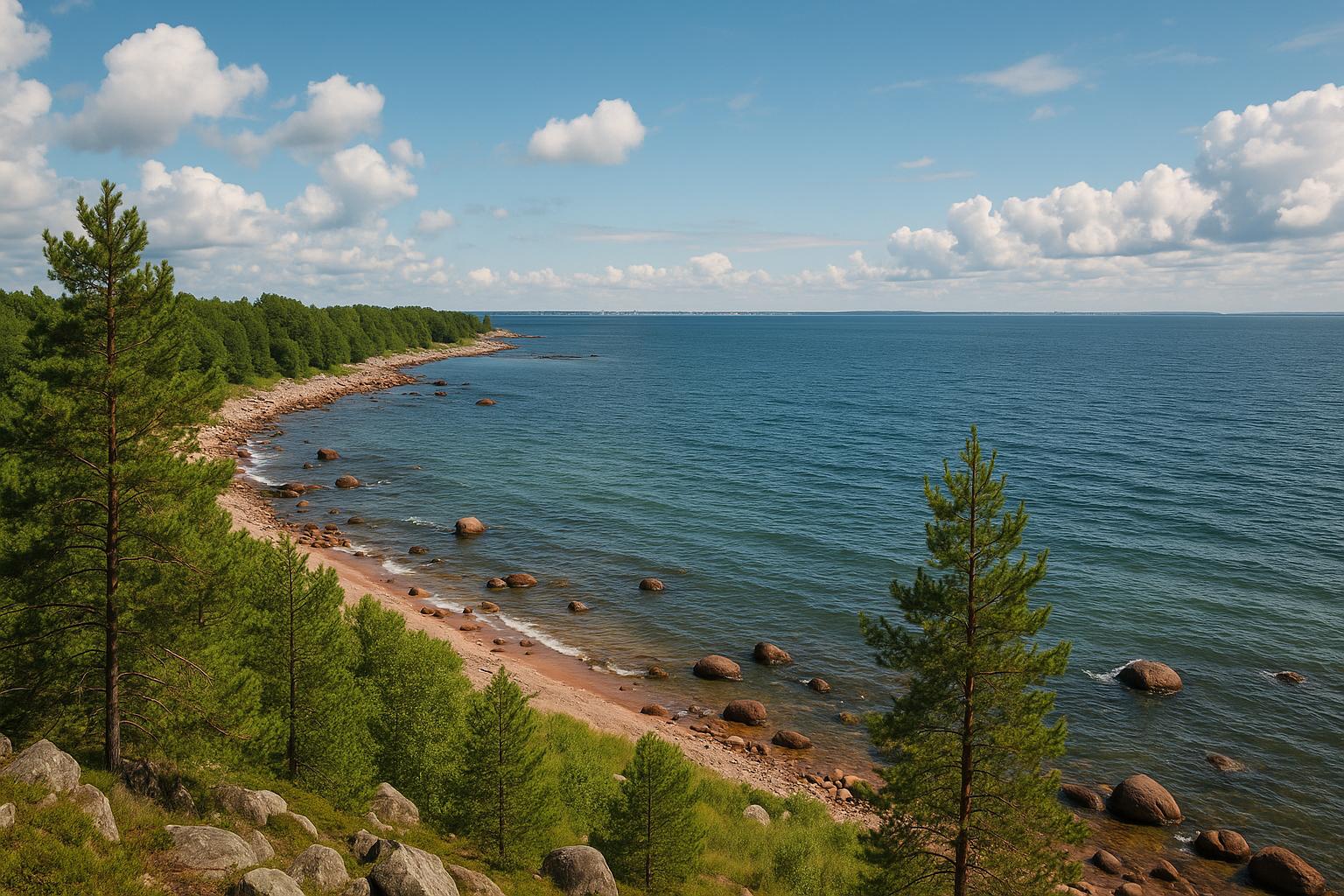
Kotlin Island is positioned in the eastern section of the Gulf of Finland, which is a component of the expansive Baltic Sea. The island resides nearly 32 kilometers west of the city of Saint Petersburg in Russia. Its geographical coordinates are approximately 60° north and 29° east, placing it in a northern locale characterized by a cool maritime climate. This climatic condition subjects Kotlin Island to cold, harsh winters and moderately warm summers. The maritime climate is prevalent due to the island’s proximity to substantial water bodies, influencing the seasonal temperature variations experienced by the region.
Historical Context
Throughout history, Kotlin Island has held a significant role due to its strategic geographical position. Its location has rendered it a pivotal maritime and military outpost across various historical eras. Initially, the island came under Swedish dominion, which exerted considerable influence and control over the Baltic region during that period. However, control over Kotlin Island experienced a shift when it subsequently became an integral part of the Russian Empire. This transition underscores the island’s considerable strategic value, as demonstrated by its incorporation into burgeoning empires vying for dominance in the region.
One of the most remarkable historical developments associated with Kotlin Island was its selection by Peter the Great as the foundation site for the city of Kronstadt in the early 18th century. Recognizing the strategic importance of the island, Peter the Great envisioned Kronstadt as a crucial naval stronghold to safeguard the adjacent city of Saint Petersburg and to project Russian maritime strength into the Baltic Sea and beyond. The establishment of Kronstadt thus cemented Kotlin Island’s role as a cornerstone of Russian naval strategy and expansionism.
Significance of Kronstadt
Situated on Kotlin Island, the city of Kronstadt is deemed a vital naval base in Russia. Its importance is amplified as it serves as a significant defense point for the nearby metropolis of Saint Petersburg. The fortifications erected in and around Kronstadt, along with its harbors, have historically played essential roles during various military conflicts. Moreover, the city’s strategic architecture and defense systems have long been pivotal in protecting Russian interests in the Baltic Sea region.
The fortifications and protective structures, some of which are marvels of military architecture, underscore the continual strategic significance attributed to this location. Kronstadt itself emerged as a testament to Peter the Great’s foresight in crafting a resilient Russian maritime power. The durability and functionality of its forts and harbors have managed to withstand challenges over centuries, making them subjects of study and interest for military historians and architectural enthusiasts alike. To delve deeper into the details about Kronstadt and its intricate relationship with Kotlin Island, one can explore trusted resources.
Modern-Day Importance
In contemporary times, Kotlin Island, along with the city of Kronstadt, endures in its military significance but has also diversified its role to incorporate various civilian functionalities. The island has become a hub for marine activities, in part due to its proximity to Saint Petersburg and its continued utility in safeguarding the maritime entryways leading to the city. The island’s modern infrastructure supports a range of marine endeavors, combining military exigencies with commercial and recreational pursuits.
Furthermore, Kotlin Island’s connectivity to the mainland has remarkably improved, with road connections now linking it seamlessly, thus facilitating greater accessibility. This has not only bolstered local commerce but has also enhanced opportunities for tourism. The integration of the island into regional transportation networks has stimulated local economic activities and expanded the potential for cultural exchanges.
Tourism and Attractions
Although Kotlin Island is not primarily regarded as a tourist hotspot, it offers numerous attractions that capture the interest of individuals passionate about military history and maritime architecture. Key sites on the island include the Naval Cathedral of Saint Nicholas, an architectural masterpiece with striking design and historical significance. Additionally, the island hosts a multitude of forts and the expansive Kronstadt fortress system, which collectively draw the attention of historians, military enthusiasts, and architecture aficionados alike.
Visitors to these sites can engage in a rich educational journey, uncovering layers of naval history that encapsulate both the prowess and challenges of Russian maritime endeavors. The Naval Cathedral, with its ornate interiors and significant cultural influence, provides insights into the spiritual and communal life of naval personnel based in Kronstadt. These landmarks collectively furnish an immersive educational experience, illustrating the profound interconnectedness of military architecture and Russian history.
Kotlin Island remains an indelible feature in the overarching narrative of Russian maritime history. Its continued relevance underscores both its strategic importance and cultural value within the region. As Kotlin Island evolves, it persists as an emblem of historical resonance, conveying the multifaceted interactions of geography, military strategy, and cultural heritage. This enduring legacy allows Kotlin Island to captivate and inform successive generations, shaping perspectives on maritime history and its lasting impacts.