
Kronstadt Island Overview
Kronstadt Island is a notable site located in the Gulf of Finland, near the city of Saint Petersburg, Russia. Known for its strategic military significance and historical relevance, Kronstadt Island plays an important role in the history of Russia.
Geographical Location
Positioned approximately 30 kilometers west of Saint Petersburg, Kronstadt Island is part of the wider Kronstadt district. The island sits in a strategic location within the Gulf of Finland, making it a critical point for maritime activities. This location has historically allowed it to serve both as a military fortress and a maritime gateway, essential for Russia’s prominence in northeastern Europe.
The unique geography of the island not only contributes to its military significance but also to its ecological and economic characteristics. Positioned under the influence of both marine and continental climates, the island experiences a moderate climate, making it accessible year-round.
Historical Background
Kronstadt Island has a rich history dating back to its establishment in the early 18th century. It was founded by the order of Peter the Great in 1704 to protect the then-newly established city of Saint Petersburg. The construction of the island’s vast fortifications was aimed at securing Russia’s access to the Baltic Sea and safeguarding its northern capital. Over the centuries, the island has played a crucial role in various military campaigns and historical events.
One notable event in the island’s history is the Kronstadt Rebellion of 1921, a significant uprising by Soviet sailors, soldiers, and civilians against the Soviet government. This event marked a pivotal moment in the Russian Civil War, reflecting the social and political turbulence of the time. Though suppressed, the rebellion left a lasting impact on the political landscape of the Soviet Union.
Military Significance
The island served as the main base of the Russian Baltic Fleet for a significant period. Its military installations and fortifications were considered state-of-the-art during their time, providing an impregnable defense for Russia’s important maritime routes. In recent history, Kronstadt remained a vital naval stronghold through both World Wars.
The fortifications on Kronstadt were instrumental in protecting Saint Petersburg, especially during World War II’s Siege of Leningrad. The island’s robust defenses deterred enemy forces, thereby playing a part in preserving the city during one of its most challenging periods. Today, the remnants of these fortifications stand as a testament to Russia’s military ingenuity and resilience.
Economic Impact
Kronstadt Island’s location has also contributed to economic activity in the region. With the harbor providing a base for naval operations and civilian shipping alike, the area around Kronstadt has developed into an economic hub tied closely to Saint Petersburg. The presence of advanced shipbuilding facilities on the island supports both military and commercial maritime industries.
Kronstadt’s economic evolution reflects the broader economic history of Russia, as it transitioned from a primarily military outpost to an industrial and commercial center. The shipyards on the island produce vessels for a variety of purposes, contributing significantly to the Russian economy. Saint Petersburg’s proximity allows for seamless integration of the island’s economic activities with the larger metropolitan area.
Modern-Day Kronstadt
In contemporary times, Kronstadt has seen developments aimed at preserving its historical sites and promoting tourism. Visitors to the island can explore its well-preserved fortifications, learn about its extensive history, and enjoy the scenic backdrop of the Gulf of Finland.
The island has undergone significant restoration efforts to maintain its cultural heritage. These efforts ensure that visitors can appreciate both the natural beauty and historical significance of Kronstadt. The island’s infrastructure has been improved to support tourism, with facilities catering to a growing number of international and domestic visitors.
Tourism and Attractions
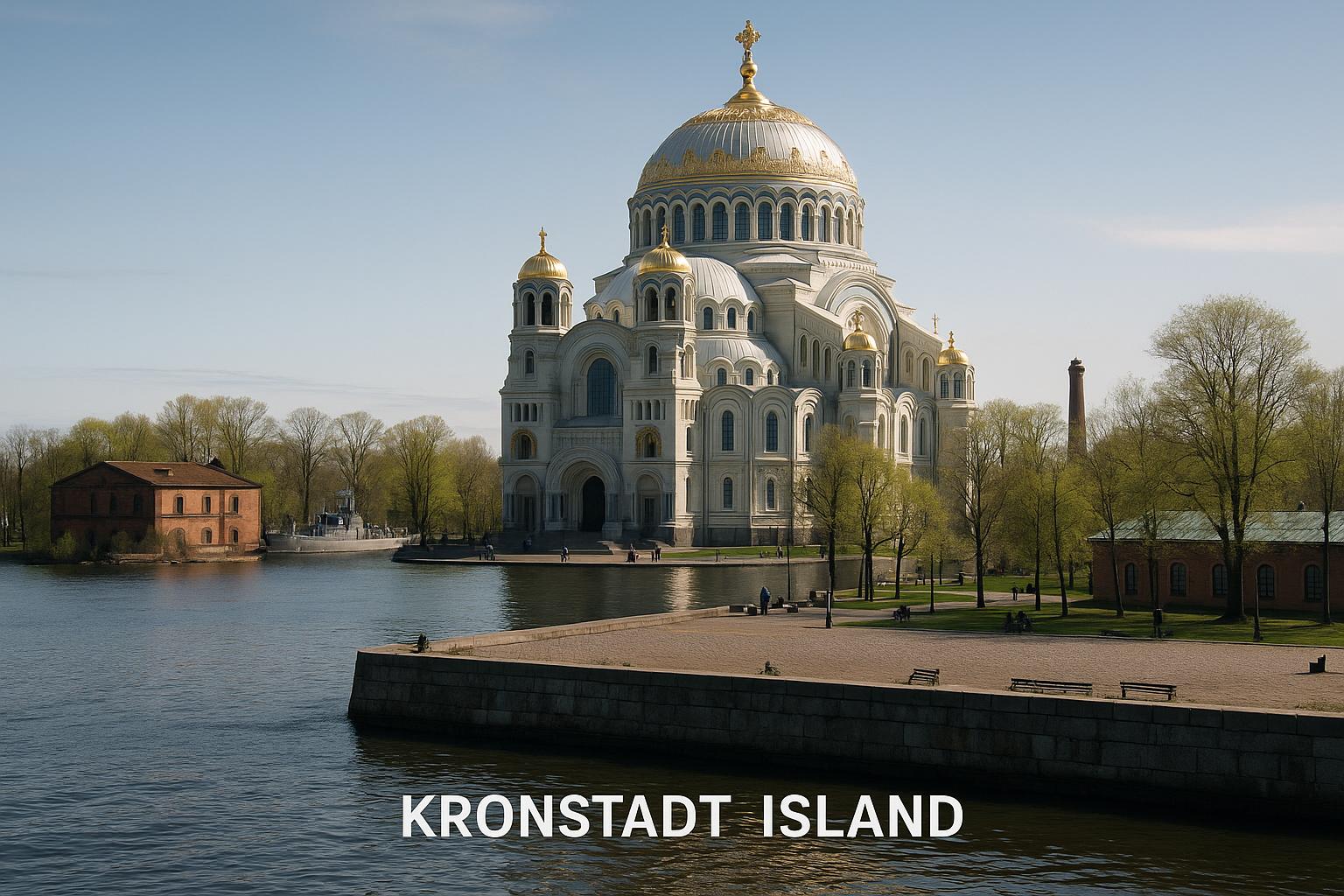
Key attractions on the island include the grand Naval Cathedral of Saint Nicholas, which stands as a monument to Russian naval power and history. The cathedral, with its intricate architecture and striking mosaics, is a must-visit for those interested in ecclesiastical art and the stories embedded in Russia’s naval past.
Additionally, the island’s original fortifications and maritime museums provide insights into its past significance and continuing legacy. The museums house extensive collections of artifacts and documents, each narrating a fraction of Kronstadt’s storied history. Moreover, guided tours and interactive exhibits enhance the educational experience, offering a comprehensive view of the island’s role in Russian military and maritime developments.
Cultural Revitalization
In recent years, Kronstadt has embraced cultural revitalization as part of its future development strategy. Events and festivals celebrate the island’s heritage and foster a sense of community among residents and visitors alike. These cultural initiatives not only attract tourism but also invigorate the local economy by showcasing local artisans, musicians, and culinary talents.
Conclusion
Kronstadt Island remains a place of historical and strategic importance. Its transformation over the centuries from a military stronghold to a cultural and economic center reflects the dynamic history of the region. For more detailed information on Kronstadt Island, one may visit official Russian tourism websites or resources on Russian history and geography. The island’s complex history, paired with its modern-day cultural and economic roles, makes it a fascinating destination for those interested in both the past and present of Russia’s Baltic region.